LED Outdoor Lighting for Efficient, Low-Maintenance Illumination
LED outdoor lighting is a technology-focused service for property owners who care about energy use, long fixture life, brightness control, and lower maintenance. The benefit is not only that LEDs use less power. The bigger advantage is that they can be zoned, dimmed, colored, scheduled, and selected for very specific beam patterns.
Efficient LED lighting for everyday exterior use
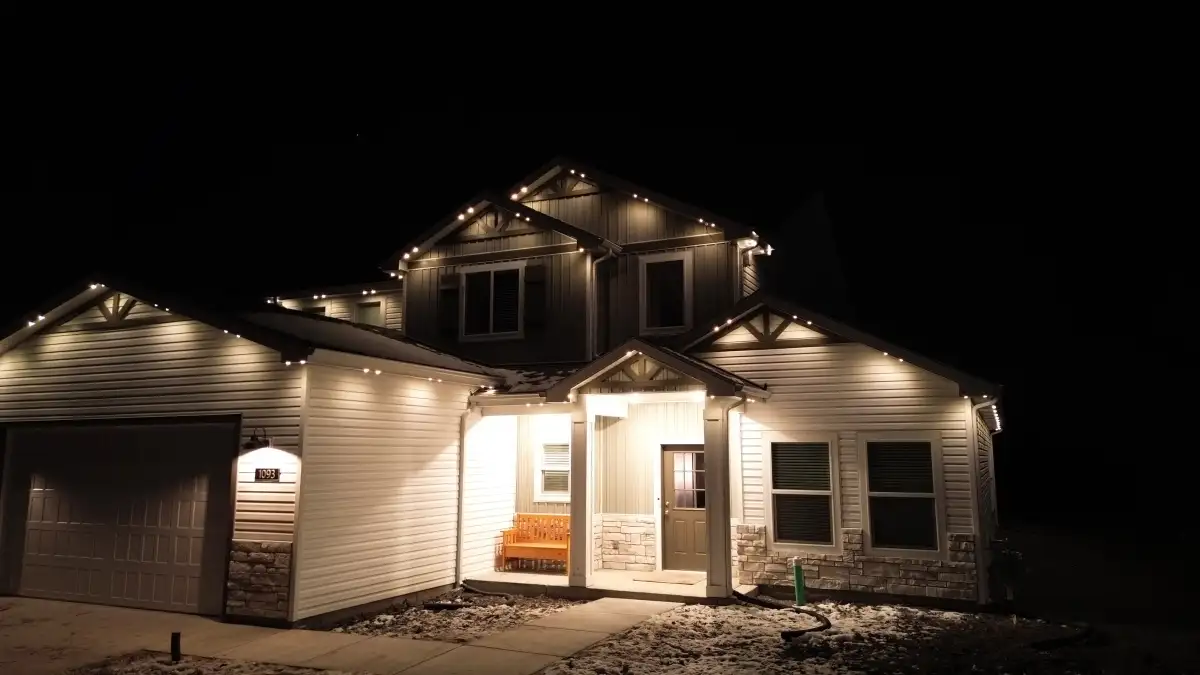
TruLight uses LED systems to solve different problems across a property. A narrow optic can mark a column or gable without spilling light everywhere. A low-voltage landscape fixture can run efficiently through long evenings. Permanent roofline LEDs can provide warm white most nights and controlled color for holidays without temporary cords and clips.
LED outdoor lighting improves efficiency, brightness control, color options, and long-term performance. Many permanent systems use LED technology, but the recommendation still depends on the property, mounting location, and use case.
South Carolina heat and humidity make component quality important. Outdoor LED systems should be selected for real exterior conditions, not just for a showroom brightness rating or a low upfront equipment price.
LED choices that shape the finished result
- Color temperature selection for warm residential light, neutral task light, or color-capable scenes.
- Beam spread and fixture output matched to walls, paths, trees, rooflines, and open yard areas.
- Driver, transformer, and controller choices sized for reliable operation instead of guesswork.
- Dimming and scheduling options that reduce energy use and extend component life.
- Weather-rated fixtures and connections selected for heat, humidity, rain, and insects.
- Replaceable components where practical so a service issue does not require removing a whole system.
Matching LED placement to brightness, color, and control
Warm residential light, neutral task light, and color-capable scenes create very different effects. Beam spread and output should also match the surface being lit, whether it is a wall, path, tree, roofline, or open yard.
Properly sized drivers, transformers, and controllers support reliable operation. Dimming and schedules can reduce unnecessary energy use and keep the system comfortable during everyday evenings.
Outdoor fixtures and connections need to withstand Midlands heat, humidity, rain, and insects. Replaceable components can also make a future service issue easier to address without removing an entire system.
What the LED lighting estimate reviews
Output and color
TruLight reviews where warm white, neutral task light, dimmed scenes, or color-capable LEDs make sense so the system feels intentional instead of simply bright.
Components and power
The estimate considers drivers, transformers, controllers, fixture ratings, wire runs, heat, humidity, and maintenance access before recommending the right LED setup.
Efficient finished look
LED output is balanced from driveway, entry, patio, and indoor views so the system looks polished without wasting light.
LED systems selected for color, output, and long-term use
LED outdoor lighting should be chosen for the surface and the use, not just for low energy draw. TruLight reviews warm residential color, neutral task light, beam spread, fixture output, and dimming range so each area receives the right kind of light.
Drivers, transformers, controllers, and weather-rated connections are sized for reliable operation. That equipment planning helps the system keep its brightness, color, and schedule performance after the first season.
Dimming and scheduling can reduce energy use while keeping entries, paths, patios, and landscape accents useful. The result is efficient lighting that still feels comfortable and finished.
For LED outdoor lighting, the final check is performance over time. Efficient fixtures, proper drivers, weather-rated connections, and useful dimming ranges help the system keep its appearance and operating cost advantages after the first season.
LED Outdoor Lighting questions
Are LED lights always cheaper to operate?
Compared with older incandescent or halogen systems, quality LEDs usually use far less electricity. Actual cost depends on brightness, run time, and the number of fixtures.
Can LEDs look warm instead of blue?
Yes. Residential LED systems can be specified in warm white tones that look comfortable on brick, siding, stone, and landscaping.
Can an old lighting system be converted to LED?
Often, yes. TruLight can evaluate transformers, wiring, fixture condition, and control needs before recommending replacement or partial retrofit.
LED lighting options for the property
Permanent Outdoor Lighting
Use discreet exterior LEDs for roofline scenes, normal evening curb appeal, and event color without seasonal setup.
View Service →Permanent Lighting
Compare built-in lighting options when efficiency, app control, and long-term exterior use are the main priorities.
View Service →LED Layout Consultation
Review brightness, fixture type, zones, and controls before choosing a final LED lighting plan.
View Service →Choose efficient outdoor LEDs that fit the way you use the property
Ask TruLight to compare fixture output, color temperature, controls, and power needs so your LED lighting looks polished, runs efficiently, and holds up in Midlands weather.
Request Your Free Estimate