Security and Safety Lighting for Movement, Entry, and Awareness
Security and safety lighting combines two related goals: discouraging unwanted activity and helping people move safely after dark. A property can be well protected but still uncomfortable to walk across if steps, grade changes, curbs, and door thresholds are not visible. TruLight plans both needs together.
Lighting that makes arrival and movement easier after dark
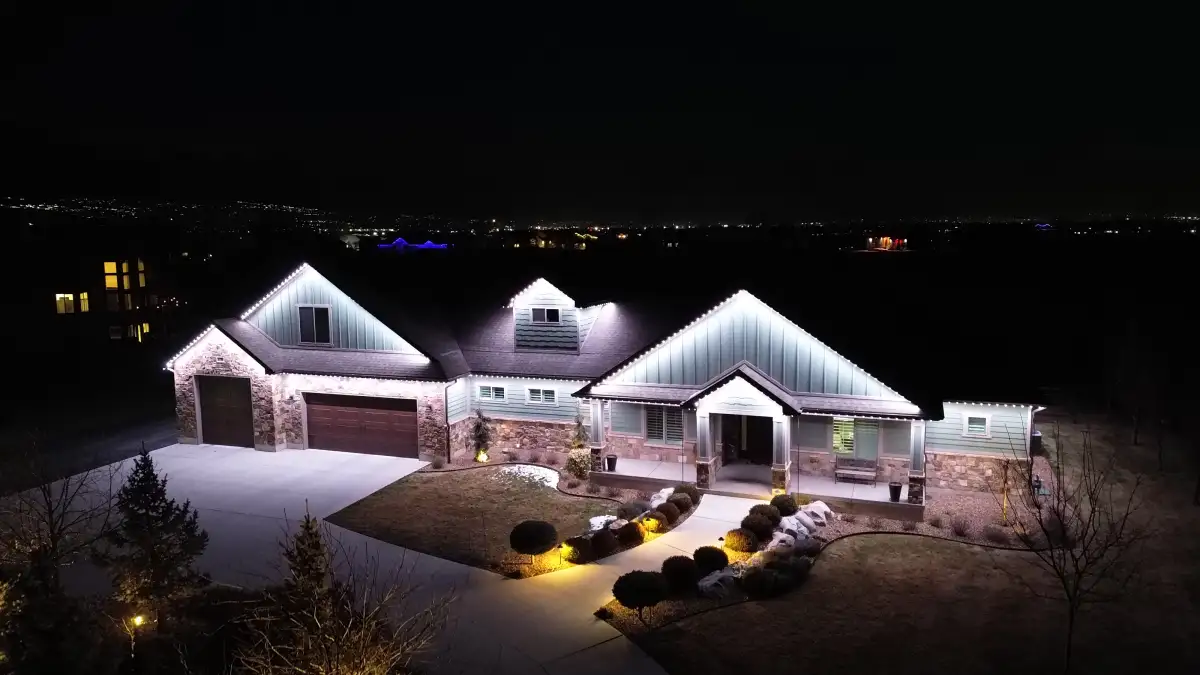
The safety side often includes paths, steps, porches, parking areas, patios, and transition points where people move from bright interior light into a dark exterior space. The security side focuses on approaches, gates, side yards, cameras, service doors, and dark corners. When those priorities are coordinated, the finished system feels natural instead of overlit.
Security and safety lighting supports both property awareness and everyday movement. It is a strong fit for homes with older guests, frequent visitors, uneven walkways, detached structures, or outdoor living spaces that need comfortable visibility.
Many Midlands properties have uneven walks, sloped yards, gravel drives, mature trees, and detached shops or garages. Safety lighting should be planned around those physical conditions before decorative accents are added.
Safety lighting concerns included in the design
- Steps, thresholds, grade changes, curbs, and walkways that need clear low-glare light.
- Driveway and parking transitions where visitors need orientation after dark.
- Porches, patios, and back doors that should feel safe without harsh floodlighting.
- Side-yard and gate lighting coordinated with camera and security needs.
- Warm color and shielded fixtures that help people see without eye strain.
- Schedules and motion zones that match household routines and guest arrivals.
Balancing visibility, glare control, and smart operation
Steps, thresholds, grade changes, curbs, and walkways need clear light without harsh glare. Driveway and parking transitions also benefit from visible routes that help residents and guests orient themselves after dark.
Porches, patios, and back doors can feel safer without resorting to overpowering floodlights. Warm color and shielded fixtures improve recognition while keeping the light more comfortable on the eyes.
Side yards and gates can be coordinated with cameras and other security needs. Schedules and motion zones then keep routine arrivals well lit while reserving brighter response lighting for the moments it is needed.
What safety-focused lighting reviews
Movement routes
TruLight identifies the steps, thresholds, curves, parking areas, and grade changes where people need dependable low-glare light to move comfortably after dark.
Awareness zones
The estimate separates safety lighting from security coverage so entries, cameras, detached structures, and side approaches receive the right level of visibility.
Comfortable output
Fixture height, shielding, color temperature, and motion behavior are selected to reduce tripping risks and improve awareness without making the property feel harshly lit.
Coordinated lighting for entries, steps, parking, and cameras
Safety lighting starts with the places where people can misstep: thresholds, grade changes, curbs, steps, walkways, and the transition from parking to the front door. TruLight plans those areas with low-glare light that helps people move without flooding the property.
Security priorities are then layered around side yards, gates, camera zones, service doors, and back entries. Coordinating those needs keeps the system useful for daily arrivals, guests, deliveries, and overnight awareness.
Porches, patios, and rear doors should feel safe without harsh floodlighting. Proper aim, brightness, and zone control make the difference between a property that is simply bright and one that is easier to use after dark.
Security and safety lighting should help people move confidently while the property remains better protected. Steps, entries, parking areas, and camera zones should support each other rather than acting like separate lighting projects.
Security and Safety Lighting questions
Is safety lighting the same as security lighting?
Not exactly. Safety lighting helps people move comfortably and avoid trips or missteps. Security lighting focuses more on deterrence, awareness, and camera support. Many projects need both.
Can safety lighting be subtle?
Yes. Low-glare path and step lighting can improve visibility without making the property look commercial.
What areas are most important?
Entrances, stairs, garage paths, driveways, patios, gates, and any uneven walking surface should be reviewed first.
Lighting services for safer movement and awareness
Security Lighting
Improve nighttime visibility around doors, garages, driveways, parking areas, and side-yard movement routes.
View Service →Outdoor Security Lighting
Focus on visibility around entries, garages, driveways, side yards, and other areas that need better nighttime coverage.
View Service →Residential Outdoor Lighting
Review homeowner-focused lighting for curb appeal, outdoor living, arrival routes, and safer movement after dark.
View Service →Make nighttime movement easier around your property
Ask TruLight to review the walkways, steps, entries, parking areas, cameras, and side routes that need clearer visibility without creating glare or over-lighting.
Request Your Free Estimate